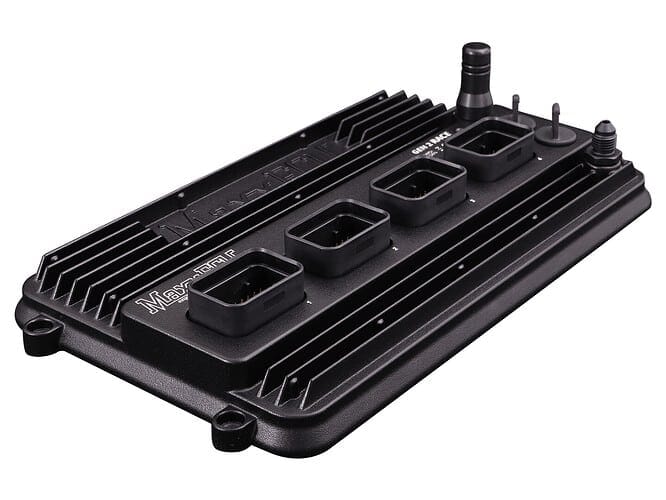
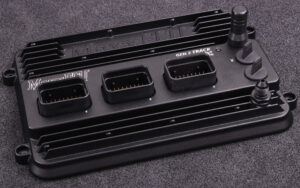
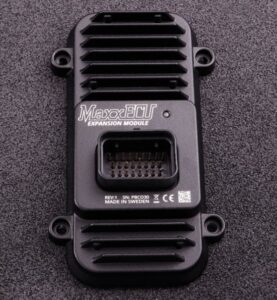
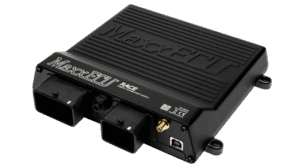
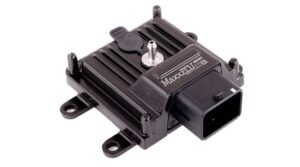
Standalone ECU calibration and engine management.
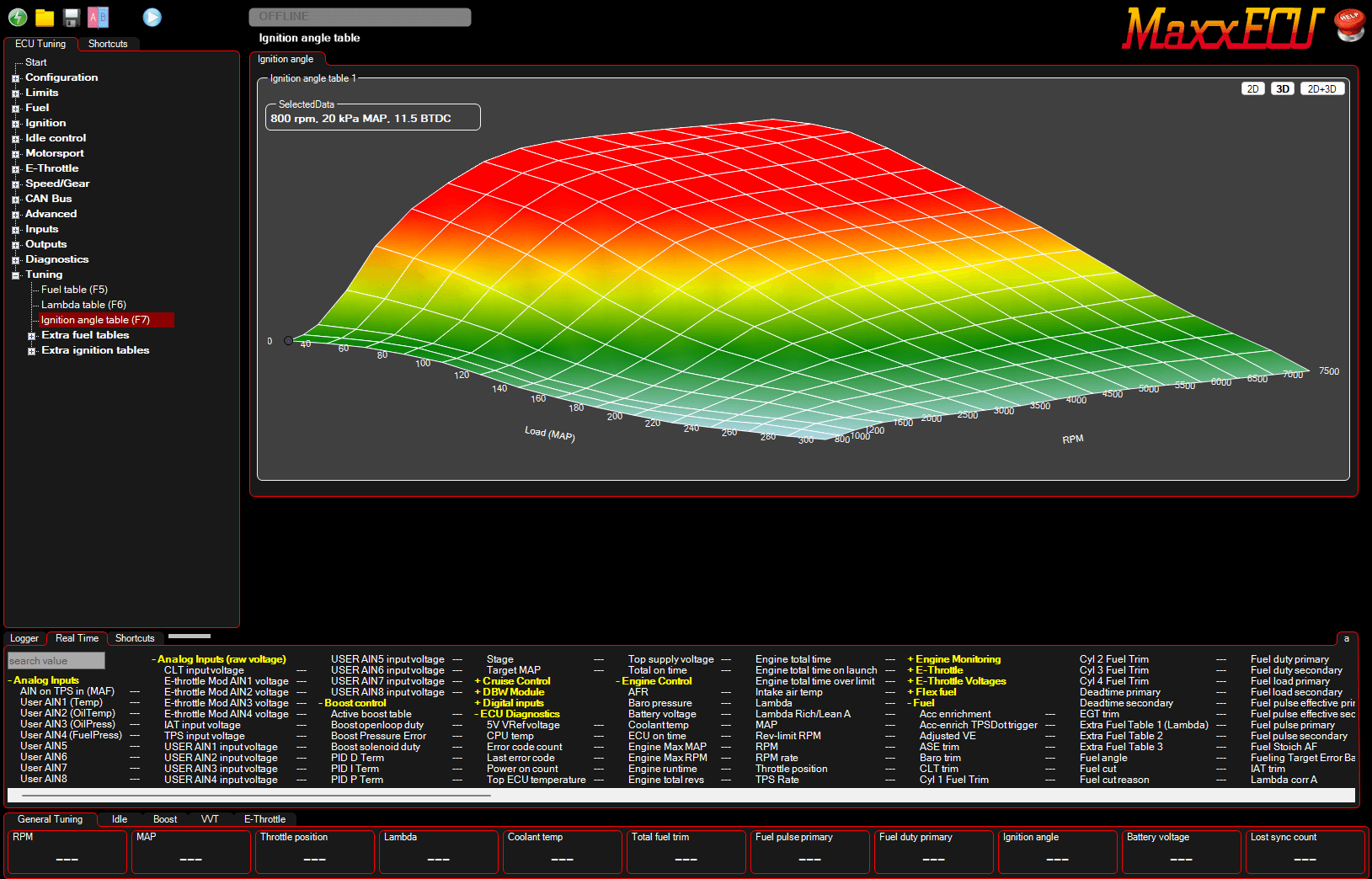
Calibration is developed from the engine specification, wiring, sensors, ECU configuration and the way the vehicle is intended to operate. Every project starts with understanding the complete engine management system before changes are made to the calibration.
 Official UK MaxxECU Dealer
Every ECU supplied by ASD includes an initial basemap prepared for the agreed engine and hardware specification. It is intended to support installation, first start and initial checks; final calibration is still required.
A proper tune starts long before the power run.
Every calibration depends on the quality of the information available. Wiring, sensor installation, ECU configuration and mechanical condition all influence the final result. Careful preparation and validation are just as important as the calibration itself.
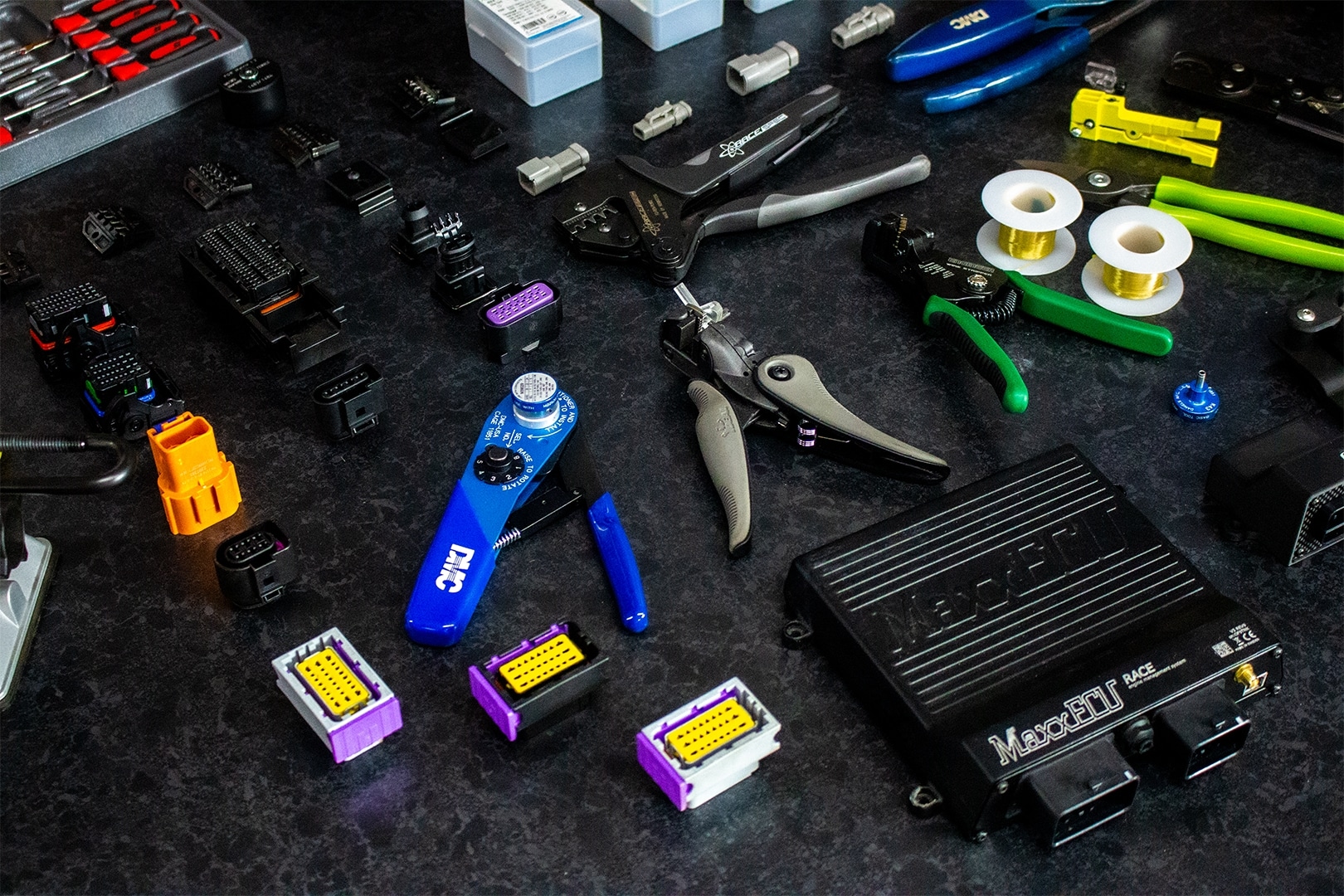
We offer a service covering MaxxECU supply, standalone ECU installation, wiring integration, configuration, calibration and ongoing support. That means we can look at the full system rather than treating the tune as a separate final step.
We previously worked with a wide range of ECU brands, but now focus on a smaller selection of platforms, primarily MaxxECU. This helps us keep our process consistent, efficient and technically strong while still delivering good value for the customer.

A clear route from setup to support.
Every project is different, so the work is adapted to the vehicle rather than forced into a fixed package. The overall approach remains straightforward.
Understand the System
We review the ECU, engine specification, wiring and supporting hardware before deciding how the work should proceed.
Set Up & Calibrate
The ECU is configured and the calibration developed around the vehicle, its hardware and the way it is intended to operate.
Record & Support
Calibration files and project information are retained so future support and revisions begin with an accurate record.
The result is not treated as a one-off file. It remains part of a documented system that can be supported as the vehicle develops.
Tuning the whole system, not just the map.
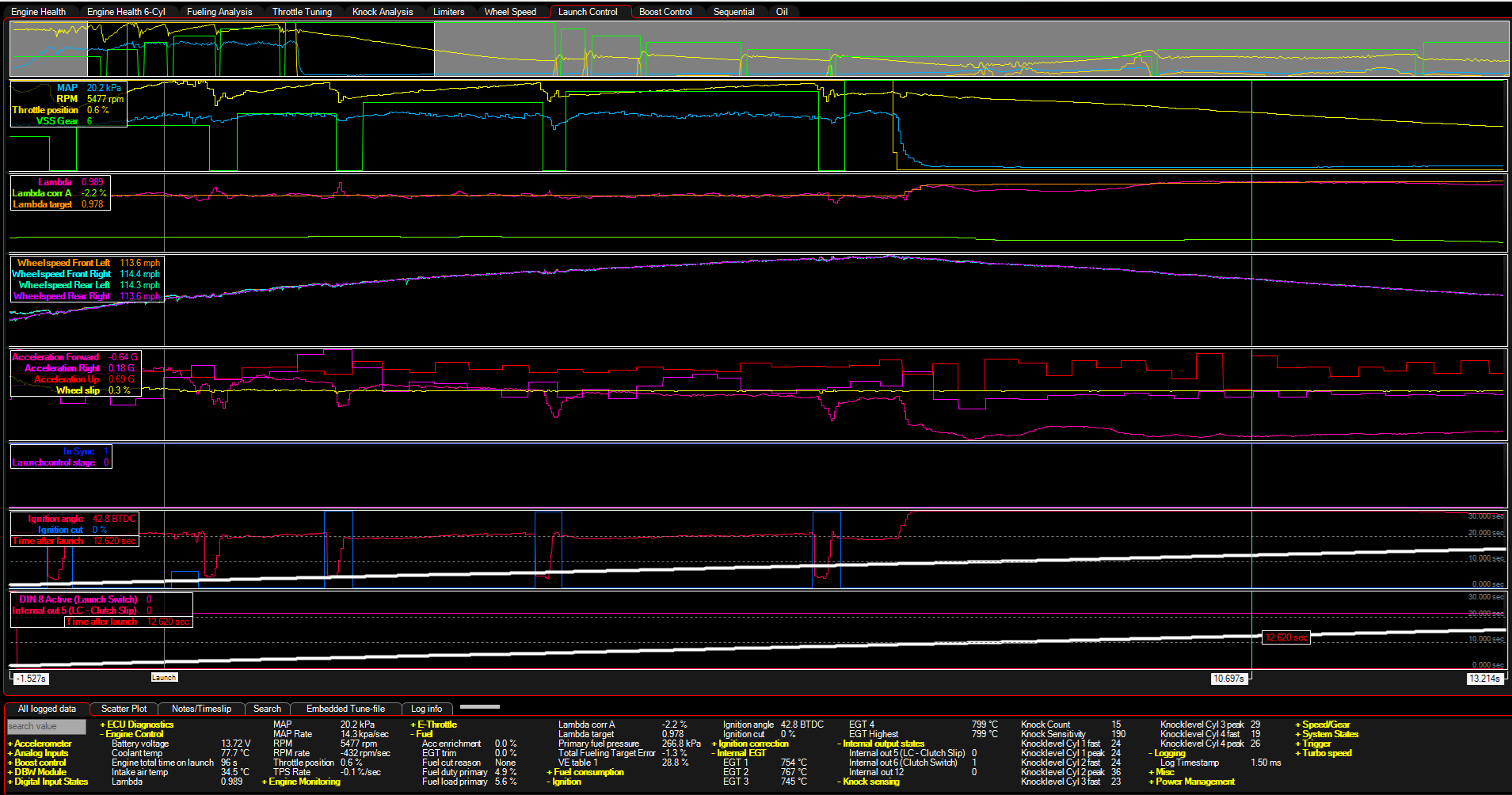
Once the ECU is configured, the calibration is developed around how the engine responds in real conditions. We use logs, dyno data and practical checks to refine the setup and confirm the car behaves properly.
- Fuel, ignition and boost calibration
- Idle, cold start and drivability setup
- Closed-loop lambda and fuel trims
- Safety limits and fault strategies
- Datalogging and post-calibration review
- Remote login support where suitable
- Trackside support by arrangement
- Refinement after real-world use
Why we’ve standardised on MaxxECU.
We evaluated a number of standalone ECU platforms before standardising much of our work around MaxxECU. It provides the control, logging capability, flexibility and long-term support we look for when designing complete engine management systems.
Advanced Engine Control
Precise fuel, ignition and boost control for a wide range of engine setups.
Flexible I/O
Extensive inputs and outputs for sensors, actuators, switches and custom functions.
Built-in Datalogging
High-speed logging and analysis tools to support proper diagnostics and calibration.
CAN Bus Integration
Connect dashboards, keypads, modules and other supported devices cleanly.
Safety & Protection
Configurable strategies for warnings, limits, shutdowns and engine protection.
Motorsport Ready
Support for traction control, launch control, anti-lag, gear cut and advanced features.
Every calibration leaves with a record.
Calibration is only part of the process. We retain project information so future support, revisions and troubleshooting are based on known data rather than guesswork.
- Calibration backups and map revisions
- Datalogs where applicable
- Project notes and configuration records
- Ongoing technical support and future updates
Long-term support
Keeping organised project records makes future changes, diagnostics and support simpler as a vehicle evolves.
Setting the car up for a successful tune.
A well-prepared car makes the tuning process smoother, safer and more effective. These checks help us get the best results from your session.
- The car should be roadworthy and safe to drive
- A valid MOT is required if road testing or transport between facilities is needed
- No major oil, fuel, coolant or brake fluid leaks
- Healthy battery and charging system
- Correct sensors fitted, wired and configured
- Fuel system suitable for the target power and fuel type
- Boost control plumbing checked and secure
- Cooling system in good working order
- If cooling is marginal, use a higher water content mix for dyno work
- Use fresh 99 RON E5 from a busy, high-turnover petrol station unless a different fuel has been agreed
- If you are unsure about anything, get in touch — we can advise before you book
Common tuning questions.
Do you tune any ECU?
We now focus on a smaller number of ECU platforms, primarily MaxxECU. This allows us to keep quality high, work efficiently and provide stronger support before, during and after the tuning process. If you already have another ECU fitted, get in touch and we can advise whether it is something we can support.
Why do you mainly recommend MaxxECU?
MaxxECU offers a strong balance of usability, flexibility and advanced control. It suits a wide range of road, track and motorsport builds and gives us the tools needed for proper setup, logging, protection and calibration. The software is approachable without removing the advanced features serious builds need.
Can you supply and install MaxxECU?
Yes. ASD Tuning supplies and supports MaxxECU in the UK, including ECU choice, installation, configuration, bespoke wiring, clubsport wiring harnesses, motorsport wiring harnesses, calibration and aftercare. We can help choose the right ECU and supporting parts for your build.
What ECU do you recommend?
The right ECU depends on the engine, sensors, wiring, fuel system, power target, vehicle use and future plans. MaxxECU is often our preferred choice, but we will always look at the full build before recommending the most sensible route.
Do I need a dyno session?
For most standalone ECU and performance tuning jobs, dyno calibration is the safest and most controlled way to build and validate the map. It allows us to check fuelling, ignition, boost control, temperatures, power delivery and safety strategies in a repeatable environment. Road testing may also be used where appropriate.
How long do you need the car for?
We usually ask to have the car for two days. The main calibration can often be completed first, but cold start, warm-up enrichment, idle control and low-speed response are best checked properly from cold the following day. These details are easy to rush, but they make a big difference to how the car behaves in normal use.
Can you support me after the tune?
Yes. We can provide remote login support, datalog review, refinement and troubleshooting after the initial session. This is useful if the car is used on track, if conditions change, or if you want help understanding a log or fault code. Trackside support is also available by arrangement.
Do you always add engine protection features?
Where the ECU and hardware allow, we will add sensible safety features during the tuning process. This may include limits and warnings based on oil pressure, fuel pressure, coolant temperature, air temperature, lambda, boost, knock activity and other critical signals. Good protection depends on having the right sensors fitted and working correctly.
What fuel do you tune on?
For most road cars, we recommend fresh 99 RON E5 from a busy, high-turnover petrol station unless another fuel has been agreed. Fresh fuel matters because old or poor-quality fuel can affect knock resistance and consistency. Race fuel, ethanol and methanol require the correct hardware, setup and calibration strategy.
Can you tune flex-fuel or ethanol setups?
Yes, where the ECU, fuel system, sensors and hardware are suitable. Flex-fuel tuning needs to be configured properly so the ECU can respond safely to changing ethanol content. This usually involves ethanol content sensing, suitable fuel system capacity and calibration of the correct blend compensations.
Can you help with cold start, idle and drivability?
Yes. Cold start, warm-up enrichment, idle control, fan control, part-throttle response and low-speed drivability are all important parts of a finished calibration. Peak power is only one part of the job; the car also needs to start, idle and drive properly.
Can you tune a car you did not build?
Yes, provided the installation is safe, the wiring is suitable and the car is mechanically ready. If we find issues with sensors, wiring, fuel pressure, boost control, cooling or mechanical condition, we will explain them clearly before continuing.
Can you help if my car has a fault after being tuned elsewhere?
Yes. We can help with fault finding, datalog review, sensor checks, ECU configuration issues and drivability problems. Sometimes the issue is in the calibration, but it can also be wiring, sensor scaling, fuel pressure, boost control, mechanical setup or a combination of faults.
Do you offer remote tuning?
We offer remote support and datalog review where appropriate, especially for checks, refinement and troubleshooting. Full remote tuning depends on the vehicle, ECU, safety of the setup and quality of data available. Some jobs are better handled in person on the dyno.
Can you teach me MaxxECU MTune?
Yes. We can give you a practical introduction to MTune so you understand how the software works, how to make a datalog, read error codes, add sensors and find your way around the system. We can tailor this around your own car where suitable.
Do you offer CAN bus integration?
Yes. We can help with supported CAN bus setups, dashboards, keypads, modules, sensors and custom integration depending on the ECU and vehicle. This is especially useful on motorsport builds, modernised classics and cars using digital displays or switch panels.
Do you do EFI conversions for classics?
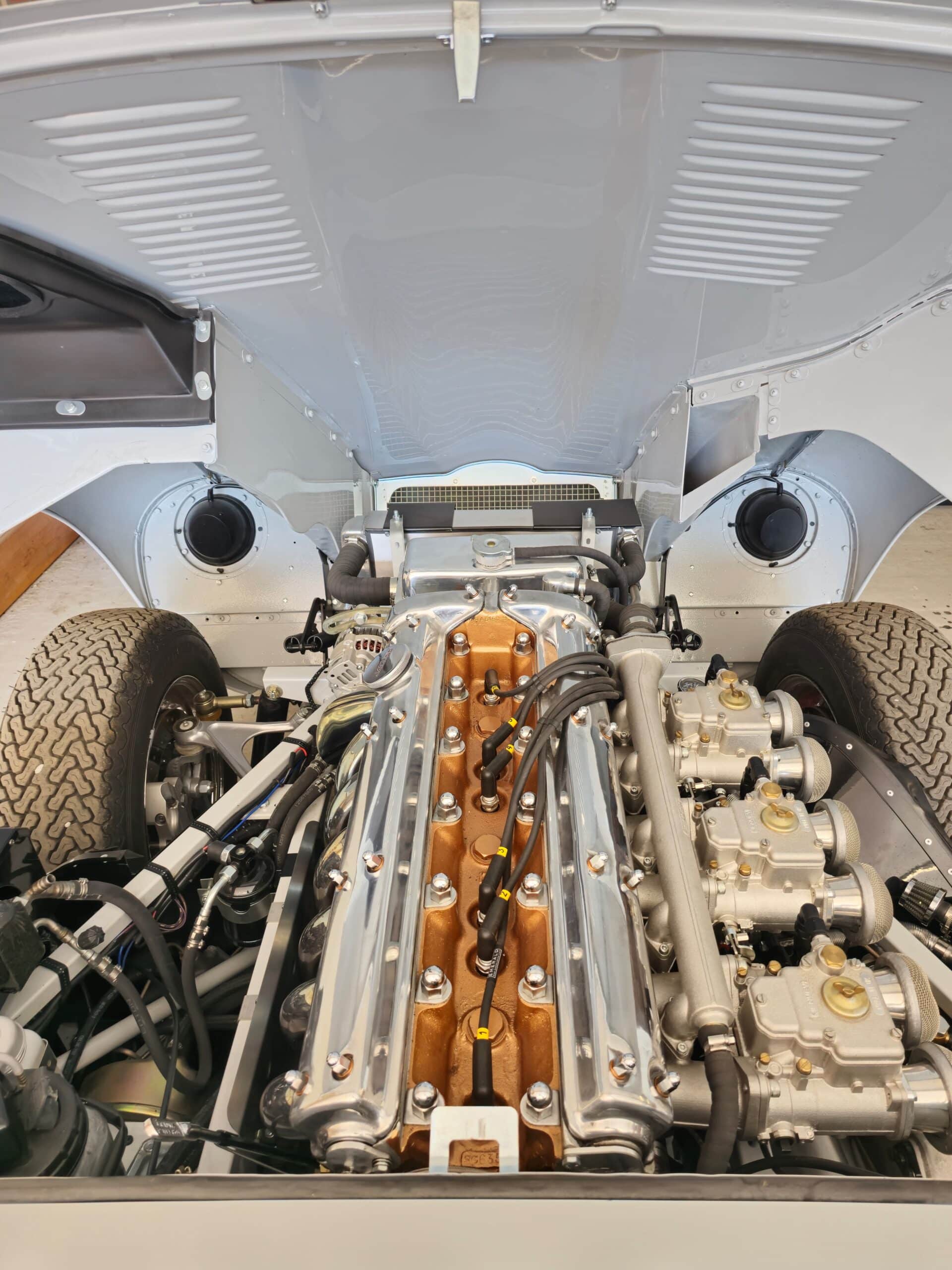
Yes. We can upgrade classic vehicles to electronic fuel injection using a suitable standalone ECU, wiring, sensors and fuel system. The work involved depends on the vehicle, engine and parts required, but we are happy to look at the project and advise.
Can you tune a freshly built engine?
Yes, but the engine needs to be assembled correctly, leak-free and ready to run. Depending on the engine and build specification, we may recommend a careful running-in and validation process before full-power calibration.
Is standalone ECU tuning suitable for daily drivers?
Yes. A well-configured standalone ECU can work very well on a road car when it is installed and calibrated properly. Daily drivability, cold start, idle, fan control, part-throttle response and sensible engine protection are all important parts of the tune.
Do you tune carburettors?
No, we do not offer carb tuning. However, we can point you towards a company we work with regularly that does offer this service.
Discuss your project with us.
Tell us about the engine, ECU, wiring and what you’re hoping to achieve. We’ll look at the project as a complete system before recommending the next steps.